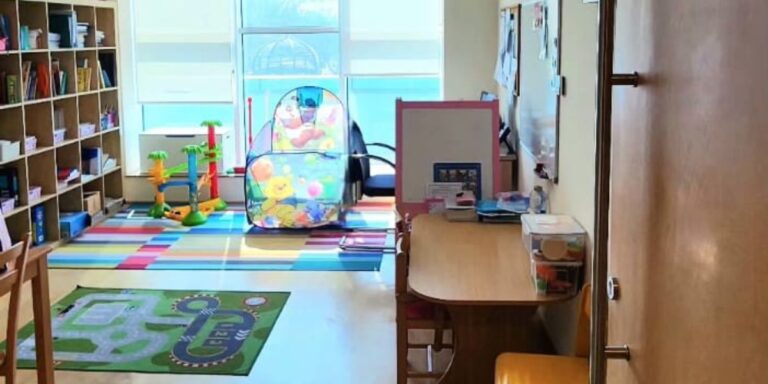
As a parent, you may have noticed that your child sometimes struggles to participate in circle time, a common activity in preschools and kindergartens in Dubai. Circle time is designed to be an engaging and interactive experience, where children can learn and socialize with their peers. However, for some children, circle time can be overwhelming, leading to feelings of anxiety, frustration, and disengagement. It’s essential to recognize the signs of circle time difficulty and understand the underlying causes, as early intervention can make a significant difference in a child’s ability to participate and benefit from this activity. Common symptoms or warning signs may include a child’s reluctance to join in, difficulty following instructions, or becoming easily distracted. Early intervention matters, as it can help prevent long-term difficulties with attention, social skills, and academic performance.
Understanding the Topic
Circle time difficulty can manifest in various ways, and it’s crucial to understand the common signs and symptoms. Children who struggle with circle time may exhibit behaviors such as avoiding eye contact, not responding to their name, or having trouble following simple instructions. In some cases, children may become overwhelmed by the sensory stimuli, such as loud noises or bright lights, leading to emotional regulation difficulties. Common misconceptions about circle time difficulty include the belief that it’s solely due to a child’s lack of interest or motivation. However, research suggests that underlying attentional, language, or cognitive difficulties may be contributing factors. Early intervention is critical, as it can help identify the root causes of circle time difficulty and provide targeted support to help children develop the necessary skills to participate fully. By recognizing the signs and seeking help early, parents can help their child build a strong foundation for future academic and social success.
Why This Matters in Dubai’s Multicultural Context
In Dubai’s multicultural context, circle time difficulty can be particularly challenging due to the diverse linguistic and cultural backgrounds of children. Multilingual families may face unique challenges in supporting their child’s language development, and circle time can be an essential opportunity for children to practice their social and language skills. Early support and treatment are crucial in helping children overcome circle time difficulty, and speech and language therapists can play a vital role in providing culturally sensitive and tailored interventions.
5 Key Signs to Watch For
- Sign 1: If your child consistently avoids participating in circle time, it may be a sign that they are struggling with attention or social skills. This can manifest in various ways, such as not responding to their name, not making eye contact, or not engaging with the activity.
- Sign 2: Difficulty following instructions is another common sign of circle time difficulty. If your child has trouble understanding or remembering simple instructions, it may indicate an underlying language or cognitive processing issue.
- Sign 3: Real-life examples of circle time difficulty can include a child becoming easily distracted, having trouble waiting for their turn, or struggling to initiate or maintain interactions with their peers.
- Sign 4: Behavioral indicators, such as tantrums, aggression, or avoidance, can also signal that a child is struggling with circle time. These behaviors may be a coping mechanism for feelings of frustration, anxiety, or overwhelm.
- Sign 5: If you notice that your child is consistently struggling to participate in circle time, despite your best efforts to support them, it may be time to seek help from a speech and language therapist. A professional can help identify the underlying causes and provide targeted interventions to support your child’s development.
Real-Life Success Story: A Dubai Family’s Journey
The Challenge
A Dubai-based family approached SLT by Earncey, concerned about their child’s difficulty participating in circle time. The child, a 4-year-old boy, would become easily distracted, have trouble following instructions, and exhibit behavioral difficulties, such as tantrums and aggression.
Our Approach
Our speech and language therapist worked closely with the family to develop a tailored intervention plan. The plan included strategies to support the child’s attention, language, and social skills, as well as parent training to help the family support their child’s development.
The Results
With the support of our speech and language therapist, the child made significant progress in participating in circle time. The child’s attention and language skills improved, and they began to engage more confidently with their peers. The family reported a reduction in behavioral difficulties, and the child’s overall confidence and self-esteem increased.
How Speech Therapy Works at SLT by Earncey
- 1:1 Parent Contact: Our speech and language therapists work closely with parents to develop a tailored intervention plan that meets their child’s unique needs.
- Weekly Home Practice: We provide parents with weekly home practice activities to support their child’s development and reinforce the skills learned in therapy.
- Open Communication: Our therapists maintain open communication with parents, providing regular updates on their child’s progress and involving them in the therapy process.
- Consistency Across Settings: We work with parents and educators to ensure consistency across settings, providing a cohesive and supportive environment for the child.
- Cultural Sensitivity: Our therapists are culturally sensitive and aware of the diverse linguistic and cultural backgrounds of our clients, providing tailored interventions that meet their unique needs.
Practical Tips for Dubai Parents
- Tip 1: Establish a daily routine that includes dedicated time for communication and interaction with your child, helping to support their language and social skills.
- Tip 2: Encourage your child to use language by engaging in conversations, reading books, and singing songs together.
- Tip 3: Create a home activity that promotes social interaction, such as a playdate or a family game night, to help your child develop essential social skills.
- Tip 4: Teach your child anxiety-reduction techniques, such as deep breathing or visualization, to help them manage feelings of overwhelm and frustration.
- Tip 5: If you notice that your child is consistently struggling with circle time, don’t hesitate to seek help from a speech and language therapist, who can provide targeted support and guidance.
Frequently Asked Questions
Q: Is bilingualism causing delay? Bilingualism is not a cause of delay in itself, but it can pose unique challenges for children. Speech and language therapists can provide support and guidance to help bilingual children develop their language skills and overcome any difficulties they may be experiencing.
Q: When should I seek help? If you notice that your child is consistently struggling with circle time, despite your best efforts to support them, it may be time to seek help from a speech and language therapist. Early intervention is critical, as it can help prevent long-term difficulties with attention, social skills, and academic performance.
Q: How long does therapy take? The length of therapy will depend on the individual child’s needs and goals. Our speech and language therapists work closely with parents to develop a tailored intervention plan, and therapy can last from a few months to several years. With consistent support and practice, children can make significant progress and develop the skills they need to participate fully in circle time.
Conclusion
Circle time difficulty is a common challenge faced by many children in Dubai’s preschools and kindergartens. By recognizing the signs and seeking help early, parents can help their child build a strong foundation for future academic and social success. At SLT by Earncey, our speech and language therapists are committed to providing culturally sensitive and tailored interventions to support children’s development. We encourage parents to seek help if they notice their child is struggling with circle time, and we reassure them that with the right support, their child can overcome these challenges and thrive.
Call to Action:
👉 Book a consultation with SLT by Earncey 📞 +971 56 596 3010 📧 earnceyjohnson740@gmail.com 🌐 https://sltbyearncey.com/contact-us/
About the Author
Earncey Johnson Speech and Language Pathologist Dubai Community Health Centre