Playing is the natural language of children, it’s how they explore, learn, experiment, and communicate. That’s why play based speech therapy has become one of the most effective approaches for improving communication skills, especially for young children. In this fast growing multicultural environment, this approach supports children of all backgrounds and language levels.
Whether your child is experiencing speech delays, struggling with articulation, or facing challenges with social communication, play based therapy offers a gentle, fun, and highly effective path to progress. Let’s explore how it works, why it’s transformative, and what parents in Dubai should know.
What Is Play Based Speech Therapy?
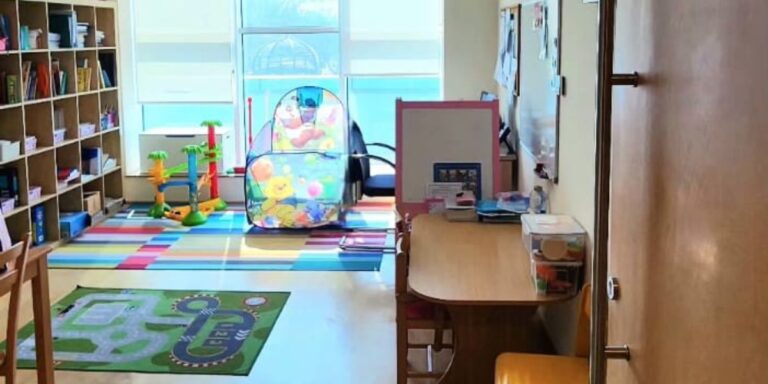
Play based speech therapy uses toys, games, pretend play, activities, and natural routines to help children learn communication skills. Instead of structured drills, the therapist embeds goals inside meaningful and enjoyable interactions.
This approach aligns with global best practices recommended by ASHA (American Speech-Language-Hearing Association) and research-backed early intervention models.
Why Play Works So Well
- Children stay engaged longer through play.
- Play naturally encourages repetition — essential for learning sounds and words.
- Children feel safe and relaxed, which reduces communication pressure.
- It improves language, social, emotional, and cognitive skills simultaneously.
Ways Play-Based Speech Therapy Builds Communication Skills
1. It Boosts Vocabulary Through Meaningful Experiences
When children play, they learn vocabulary in context — naming objects, describing actions, asking questions, giving directions, and storytelling. This builds stronger vocabulary retention because they are actively participating, not passively memorizing.
2. It Enhances Social Communication
Play naturally teaches turn taking, sharing, eye contact, and problem-solving. For children with autism or social communication differences, play becomes a safe space to practice these skills in real time with guided support from the therapist.
3. It Supports Speech Sound Development
Articulation therapy can be incorporated into games like puzzles, cars, pretend kitchens, or sensory activities. Each game turn becomes a chance to practice sounds without drilling or stress.
4. It Improves Attention and Listening Skills
Structured play routines help children learn to follow instructions, anticipate actions, and stay focused for longer durations.
5. It Encourages Confidence and Independence
Children who struggle with communication often experience frustration. Through play, they learn to express needs, make choices, and initiate communication increasing self esteem.
Examples of Play-Based Activities Used in Speech Therapy
Therapists tailor activities to a child’s age, strengths, interests, and language goals.
- Pretend Play: Using dolls, kitchen sets, doctor kits, cars, or animal figures to build storytelling and expressive language.
- Structured Games: Turn-taking games like “Pop-Up Pirate,” matching cards, or building blocks for improving social communication.
- Art & Crafts: Painting, coloring, and sticker activities that support following directions and descriptive language.
- Outdoor Play: Running, ball games, sand play, and nature walks to build verbs, adjectives, and functional communication.
- Sensory Play: Water tables, slime, kinetic sand, or sensory bins for vocabulary and engagement.
Why Play-Based Therapy Works Exceptionally Well in Dubai
Dubai is home to multilingual, multicultural families. Play-based therapy supports this diversity by creating shared learning opportunities that do not depend on language proficiency alone.
- Bilingual-friendly: Children can practice both home languages and school languages through natural play.
- Aligned with modern education: Dubai’s schools emphasize inquiry-based and experiential learning.
- Caters to busy families: Therapists often integrate play routines parents can use at home.
- Suitable for early intervention: Recommended strongly for toddlers and preschoolers.
How Parents Can Support Play-Based Speech Therapy at Home
Parents are essential partners in therapy. Consistent practice at home leads to faster progress.
Simple Ways to Encourage Communication Through Play
- Follow your child’s lead — let them choose the toy or activity.
- Model simple language — describe what you see and do.
- Use repetition — repeat key words several times during play.
- Pause intentionally — give your child time to respond.
- Expand their words — if they say “car,” you say “big car” or “car go fast.”
When to Consider Play-Based Speech Therapy
If your child shows any of the following signs, an evaluation may be helpful:
- Limited vocabulary for their age
- Difficulty expressing needs or ideas
- Speech that is unclear or hard to understand
- Challenges with turn-taking or social interaction
- Frustration during communication
- Delayed babbling or first words
Early intervention leads to the best outcomes — especially when therapy is fun, engaging, and child-led.
Final Thoughts: Playing Makes Communication Stronger
Play based speech therapy is much more than “fun time.” It’s a highly strategic approach grounded in research, designed to support natural language development. For children in Dubai, especially those growing up bilingual or multilingual, this method encourages confidence, connection, and communication growth.
Ready to Support Your Child’s Communication Skills?
book a consultation with SLTbyEarncey today. We help children and adults in Dubai build clear, confident communication skills through evidence-based, compassionate care.