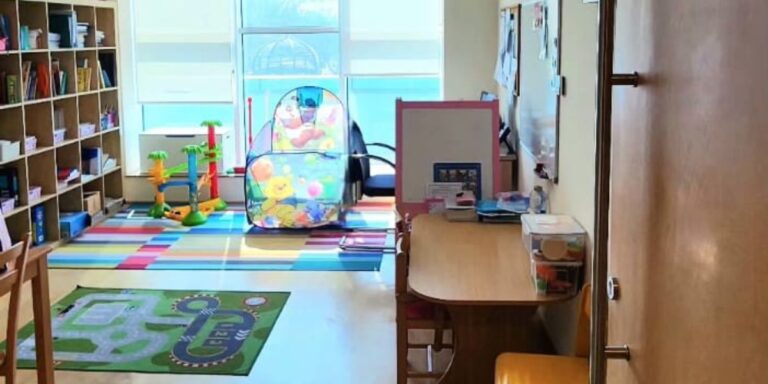
As a parent, it can be concerning to see your child struggle with behavioral issues in the classroom, and it’s natural to wonder if there’s an underlying reason for their actions. One often overlooked aspect of child development is sensory processing, which plays a crucial role in a child’s ability to learn and interact with their environment. Sensory processing refers to the way the brain interprets and integrates sensory information from the world around us, including sights, sounds, smells, tastes, and textures. When a child has difficulty with sensory processing, it can manifest in a range of behaviors, from tantrums and meltdowns to difficulties with focus and attention. In this article, we’ll delve into the world of sensory processing and its impact on classroom behavior, exploring the signs to watch for, the importance of early support, and practical tips for parents.
Understanding the Topic
Sensory processing is a complex process that involves the integration of sensory information from multiple sources, and when it’s not working properly, it can lead to a range of challenges for children. Warning signs of sensory processing issues can include difficulties with self-regulation, sensory seeking or avoidance behaviors, and delays in developmental milestones. It’s essential to recognize that sensory processing issues are not a result of poor parenting or a lack of discipline, but rather a neurological difference that requires understanding and support. Early support is critical, as it can help prevent long-term consequences and ensure that children receive the accommodations they need to succeed in the classroom.
Why This Matters in Dubai’s Multicultural Context
In Dubai’s multicultural context, where families often speak multiple languages and have diverse cultural backgrounds, it’s essential to consider the potential impact of sensory processing issues on learning and behavior. Multilingual families may face unique challenges in identifying and addressing sensory processing issues, as cultural and linguistic differences can sometimes be misattributed to sensory processing difficulties. Timely support is crucial, as it can help ensure that children receive the accommodations they need to succeed in the classroom, regardless of their cultural or linguistic background.
5 Key Signs to Watch For
- Sign 1: If your child has difficulty with self-regulation, such as trouble calming down after a tantrum or becoming easily overwhelmed by their emotions, it may be a sign of sensory processing issues. Children with sensory processing difficulties may have trouble regulating their emotions and behaviors, leading to challenges with self-control and impulse management.
- Sign 2: If your child exhibits sensory seeking or avoidance behaviors, such as covering their ears during loud noises or seeking out intense sensory experiences like spinning or crashing, it could be a sign of sensory processing issues. Children with sensory processing difficulties may have trouble integrating sensory information, leading to sensory seeking or avoidance behaviors as a way to cope.
- Sign 3: If your child has difficulty with fine motor skills, such as trouble with handwriting, using scissors, or tying their shoes, it may be a sign of sensory processing issues. Children with sensory processing difficulties may have trouble integrating sensory information from their muscles and joints, leading to challenges with fine motor skills.
- Sign 4: If your child exhibits behavioral indicators such as difficulty with transitions, trouble following directions, or becoming easily frustrated with tasks, it could be a sign of sensory processing issues. Children with sensory processing difficulties may have trouble with executive functioning skills, leading to challenges with planning, organization, and self-regulation.
- Sign 5: If your child has difficulty with social interactions, such as trouble initiating or maintaining conversations, understanding social cues, or developing and maintaining friendships, it may be a sign of sensory processing issues. Children with sensory processing difficulties may have trouble integrating sensory information from their environment, leading to challenges with social interactions and relationships.
Real-Life Success Story: A Dubai Family’s Journey
The Challenge
One family in Dubai approached us with concerns about their child’s behavior in the classroom. Their child was having trouble following directions, was easily frustrated with tasks, and was exhibiting sensory seeking behaviors such as spinning and crashing. The family was worried that their child’s behavior was due to a lack of discipline or poor parenting, but after consulting with us, they began to understand that their child’s behavior was likely related to sensory processing issues.
Our Approach
We worked with the family to develop a comprehensive plan to support their child’s sensory processing needs. This included providing the child with regular breaks and sensory integration activities, such as swinging and trampolining, to help them regulate their sensory system. We also worked with the child’s teacher to develop accommodations in the classroom, such as providing a sensory-friendly workspace and using visual schedules to support transitions.
The Results
With our support, the child began to exhibit significant improvements in their behavior and academic performance. They were able to follow directions more easily, complete tasks with greater ease, and develop more positive relationships with their peers. The family was thrilled with the progress their child had made and was grateful for the support and guidance we provided.
How Speech Therapy Works at SLT by Earncey
- 1:1 Parent Contact: We believe that parent contact is essential in supporting a child’s sensory processing needs. We work closely with parents to develop a comprehensive plan that meets their child’s unique needs and provides them with the tools and strategies they need to support their child’s development.
- Weekly Home Practice: We provide families with weekly home practice activities to support their child’s sensory processing development. These activities are designed to be fun and engaging, while also providing the child with the sensory integration they need to regulate their sensory system.
- Open Communication: We believe that open communication is essential in supporting a child’s sensory processing needs. We work closely with parents, teachers, and other professionals to ensure that everyone is on the same page and working towards the same goals.
- Consistency Across Settings: We work to ensure that the strategies and techniques we use in therapy are consistent across all settings, including home, school, and community. This helps to provide the child with a sense of predictability and routine, which can be essential in supporting their sensory processing needs.
- Cultural Sensitivity: We are committed to providing culturally sensitive services that meet the unique needs of each family. We work to understand the cultural and linguistic background of each family and tailor our services to meet their individual needs.
Practical Tips for Dubai Parents
- Tip 1: Provide your child with regular breaks and sensory integration activities, such as swinging and trampolining, to help them regulate their sensory system.
- Tip 2: Establish a daily routine that includes sensory-friendly activities, such as baths, massages, or joint compressions, to help your child regulate their sensory system.
- Tip 3: Create a sensory-friendly workspace for your child, including materials such as playdough, slime, or fidget toys, to help them stay focused and engaged.
- Tip 4: Teach your child relaxation techniques, such as deep breathing or visualization, to help them manage stress and anxiety.
- Tip 5: Seek support from a speech and language pathologist or occupational therapist if you have concerns about your child’s sensory processing development.
Frequently Asked Questions
Q: Is bilingualism causing delay? Bilingualism is not a cause of delay in sensory processing development. In fact, bilingualism can provide children with a range of cognitive and linguistic benefits, including improved executive functioning skills and enhanced metalinguistic awareness. However, bilingualism can sometimes be misattributed to sensory processing difficulties, as cultural and linguistic differences can be mistaken for sensory processing issues.
Q: When should I seek help? If you have concerns about your child’s sensory processing development, it’s essential to seek help from a speech and language pathologist or occupational therapist. Early support is critical, as it can help prevent long-term consequences and ensure that children receive the accommodations they need to succeed in the classroom.
Q: How long does therapy take? The length of therapy will depend on the individual needs of the child and the goals of the treatment plan. In some cases, therapy may be short-term, focusing on providing the child with the tools and strategies they need to manage their sensory processing difficulties. In other cases, therapy may be longer-term, focusing on supporting the child’s ongoing development and providing them with the accommodations they need to succeed in the classroom.
Conclusion
Sensory processing issues can have a significant impact on a child’s behavior and academic performance, but with early support and intervention, children can learn to manage their sensory processing difficulties and succeed in the classroom. As a parent, it’s essential to be aware of the signs of sensory processing issues and to seek help if you have concerns about your child’s development. At SLT by Earncey, we are committed to providing children with the support and accommodations they need to succeed, and we encourage parents to reach out to us if they have concerns about their child’s sensory processing development.
👉 Book a consultation with SLT by Earncey 📞 +971 56 596 3010 📧 earnceyjohnson740@gmail.com 🌐 https://sltbyearncey.com/contact-us/
About the Author
Earncey Johnson Speech and Language Pathologist Dubai Community Health Centre