School-Based vs. Clinic-Based Speech Therapy in Dubai: Choosing the Best Path for Your Child
As a parent in Dubai’s vibrant, multicultural environment, you may feel overwhelmed when trying to decide between school-based and clinic-based speech therapy for your child. Many parents and educators face confusion about which option offers the best support, which can delay crucial intervention. Rest assured, understanding the benefits and limitations of each therapy model will empower you to make informed choices that best support your child’s unique needs.
Understanding School-Based and Clinic-Based Speech Therapy
Speech therapy helps children develop essential communication skills, including speech clarity, language comprehension, social communication, and fluency. Therapy can be delivered in different settings, primarily schools or clinics, each with distinct features.
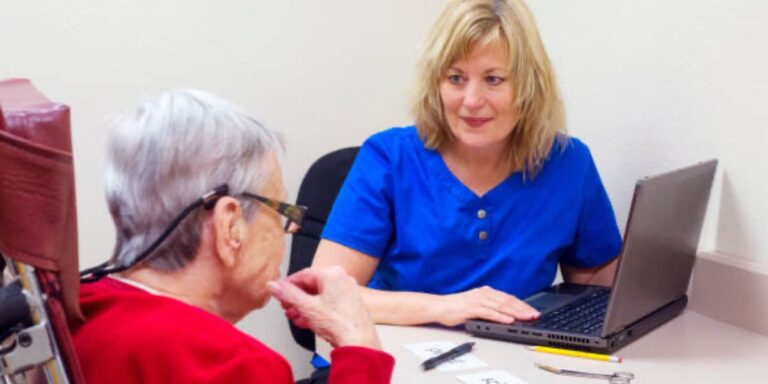
School-based speech therapy typically focuses on helping children improve communication skills that directly affect their academic performance and social interactions within the school environment. Sessions often happen during the school day and may be in small groups or one-on-one. The goals are aligned with the child’s Individualized Education Program (IEP), targeting skills like vocabulary, grammar, answering questions, and social language needed for classroom success.
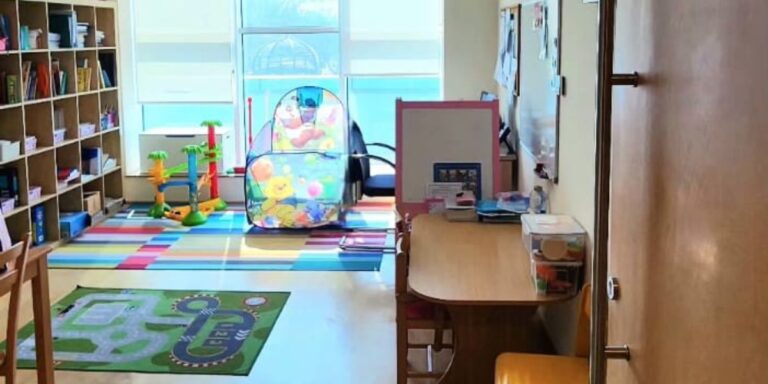
Clinic-based speech therapy offers a more flexible and individualized approach. Therapy can occur at a clinic, home, or even online, depending on family preference and the child’s needs. Clinics can address a broader range of communication concerns, including feeding issues, social skills outside school, and more complex speech or neurodevelopmental conditions. Sessions are usually one-on-one and longer, allowing deeper focus on various areas of speech and language development.
A common misconception is that one setting is universally better than the other. In reality, both have advantages and can complement each other, depending on your child’s specific profile and family circumstances.
Why This Matters in Dubai’s Multicultural Context
Dubai’s education and healthcare systems are uniquely positioned to offer both school-based and clinic-based speech therapy, but navigating these options requires cultural sensitivity and awareness of the local context. Dubai’s schools are diverse, with children speaking multiple languages such as Arabic, English, Hindi, Urdu, and more. This multilingual environment can influence how speech and language difficulties present and are addressed.
Understanding the differences between therapy settings helps families optimize outcomes by choosing services that respect their cultural and linguistic backgrounds. For example, school-based therapy may focus on language skills needed for academic success in English or Arabic, while clinic-based therapy can tailor sessions to support bilingual development and address complex issues beyond academics.
Additionally, Dubai’s healthcare infrastructure offers licensed speech-language pathologists with experience in neurodevelopmental and fluency disorders, ensuring that therapy is evidence-based and culturally appropriate. Families benefit from services that integrate home, school, and clinic efforts for consistent progress.
5 Key Signs to Watch For
- Delayed speech milestones: Your child is not babbling by 12 months or using single words by 18 months, which may indicate a need for evaluation.
- Limited vocabulary growth: By age 2-3, your child is not expanding their word use or combining words into short phrases.
- Difficulty understanding or following directions: Your child struggles with simple instructions or answering basic questions appropriate for their age.
- Speech clarity issues: Speech is frequently unclear to family members by age 3-4, making communication frustrating.
- Social communication challenges: Your child avoids eye contact, has trouble taking turns in conversation, or shows limited interest in interacting with peers—seek professional advice promptly.
Real-Life Success Story: A Dubai Family’s Journey
The Challenge: A 3-year-old bilingual child in Dubai was mixing Arabic and English in ways that concerned their parents, who worried about speech delays and social integration at preschool.
Our Approach: At SLT by Earncey, we provided personalized therapy sessions focusing on clear speech sounds and language structure in both languages. We coached parents on home activities and culturally sensitive strategies to support bilingual development. Therapy was coordinated with the child’s school to ensure consistency.
The Results: Within months, the child’s communication improved noticeably. They gained confidence speaking in both languages, engaged better socially at school, and their parents felt relieved and empowered by the ongoing support.
How Speech Therapy Works at SLT by Earncey
Our Unique Approach
- 1:1 Parent Contact: We provide video updates and detailed session notes after every appointment to keep parents fully informed.
- Weekly Home Practice: Personalized activities are designed for families to reinforce therapy goals in everyday settings.
- Open Communication: Direct, ongoing dialogue between therapist and parents ensures concerns are addressed promptly.
- Consistency Across Settings: We collaborate with schools and clinics to maintain progress and generalize skills.
- Cultural Sensitivity: Our therapy respects Dubai’s diverse community, incorporating language and cultural nuances into treatment.
Practical Tips for Dubai Parents
- Observe your child’s communication daily and note any concerns early.
- Encourage both languages spoken at home to support bilingual development.
- Engage your child in simple, fun language games to enhance vocabulary.
- Model clear speech and give your child time to respond during conversations.
- Seek professional evaluation if you notice persistent delays or communication challenges.
Frequently Asked Questions
Q: Is bilingualism causing my child’s speech delay?
A: Bilingualism itself does not cause speech delays. Children learning two or more languages may mix languages temporarily, which is normal. However, if you notice your child struggles significantly with speech clarity or understanding, a professional evaluation can differentiate typical bilingual development from a speech disorder.
Q: When should I seek help?
A: Early intervention is key. If your child is not meeting age-appropriate speech milestones or you have concerns about their communication, seek evaluation as soon as possible to access timely support.
Q: How long does therapy take?
A: Therapy duration varies based on the child’s needs, severity of the issue, and consistency of practice at home and school. Some children make progress within months, while others may need longer-term support.
Conclusion
Choosing between school-based and clinic-based speech therapy in Dubai depends on your child’s individual needs, family preferences, and the specific goals of therapy. Early intervention is crucial and can significantly improve your child’s communication skills and confidence. At SLT by Earncey, we are committed to guiding and supporting families through this journey with empathy, professionalism, and cultural understanding.
Don’t wait or worry alone. If you’re concerned about your child’s speech and language development, I’m here to help.
👉 Book a consultation with SLT by Earncey today and take the first step toward helping your child communicate with confidence.
📞 Call us at +971 56 596 3010
📧 Email: earnceyjohnson740@gmail.com
🌐 Visit: https://sltbyearncey.com/contact-us/
—
About the Author
Earncey Johnson, Speech and Language Pathologist
Master’s in SLP, Bachelor’s in BASLP, 9+ years at Dubai Community Health Centre, personal family experience with fluency and neurodevelopmental conditions
Dubai Community Health Centre